
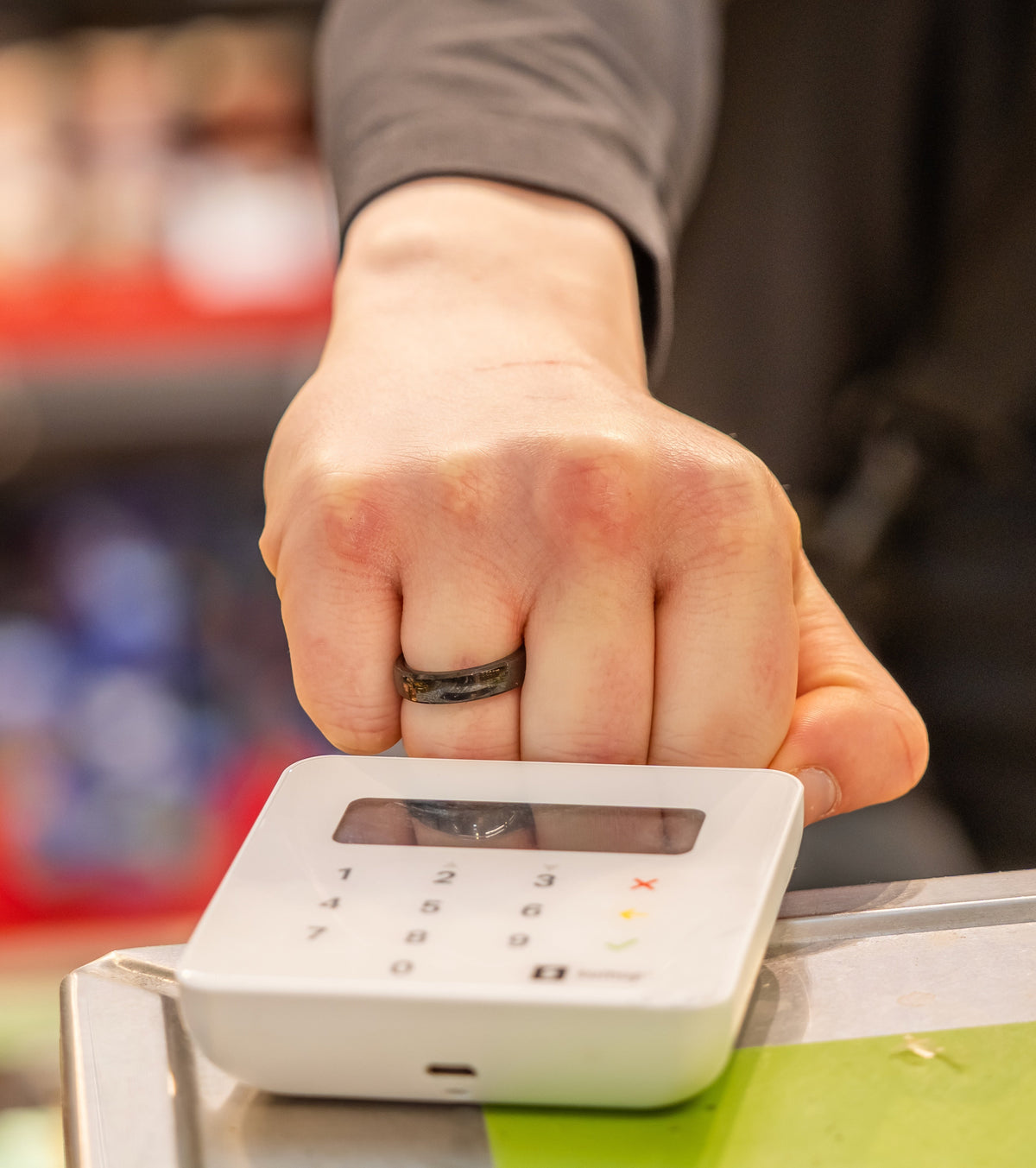
Una nuova alternativa di pagamento senza carta è arrivata sul mercato ungherese: sempre più persone utilizzano anelli di pagamento basati sulla tecnologia NFC passiva. Sebbene le indagini avessero previsto una svolta tra la Generazione Z, l'esperienza dimostra che la soluzione è utilizzata principalmente da persone di età superiore ai 35 anni. Abbiamo parlato con Virág Kis, Business Development Manager di RingPay per l'Ungheria, del lancio locale dell'azienda, delle partnership bancarie e del futuro dei pagamenti.
In Ungheria sono sempre di più le persone che pagano alle casse con un semplice gesto della mano utilizzando anelli di pagamento intelligenti. Mentre la ricerca suggerisce che la Generazione Z sia la più aperta alla tecnologia indossabile, una parte significativa degli utenti ungheresi appartiene alla fascia d'età 35+, con alcuni clienti che arrivano anche ai settant'anni.
La tecnologia alla base del prodotto è sorprendentemente semplice, ma altamente sicura. Gli anelli RingPay contengono un chip NFC passivo con un'antenna che corre lungo il bordo dell'anello. Uno dei maggiori vantaggi rispetto agli smartwatch o agli smartphone è che l'anello non richiede ricarica. Assorbe la piccola quantità di energia di cui ha bisogno direttamente dal terminale di pagamento (POS) durante i pochi secondi necessari per completare una transazione.
Molte persone sono inizialmente preoccupate per cosa accadrebbe se perdessero l'anello o se venisse rubato. Tuttavia, il livello di sicurezza è equivalente, o addirittura superiore, a quello delle tradizionali carte bancarie. Grazie alla tecnologia di tokenizzazione di Fidesmo, i terminali di pagamento e i commercianti non ricevono mai i dettagli effettivi della carta, ma solo un token, essenzialmente un identificativo numerico lungo e univoco. Inoltre, per gli acquisti superiori a 15.000 HUF è richiesto un codice PIN, proprio come per una carta di pagamento fisica. In caso di smarrimento dell'anello, gli utenti possono bloccarlo istantaneamente tramite l'applicazione mobile con un solo tocco.
Come funziona in pratica?
Dopo aver acquistato un anello, che richiede solo un pagamento una tantum senza canoni mensili o commissioni di transazione, gli utenti scaricano l'applicazione RingPay. Avvicinando l'anello al telefono, la tecnologia NFC riconosce il dispositivo. Dopo aver inserito i dettagli della carta e completato una fase di verifica di sicurezza, l'anello può essere attivato entro 30 secondi ed è subito pronto per l'uso, ha spiegato Virág Kis, Business Development Manager di RingPay per l'Ungheria, in un'intervista a Economx.
Piace anche ai pensionati
Sebbene la ricerca condotta sia da Visa che dall'azienda suggerisse che le persone sotto i 30 anni sarebbero state i principali utilizzatori della tecnologia, dal lancio in Ungheria sono emerse sorprendenti tendenze demografiche.
"Vediamo che la maggior parte dei nostri clienti ha tra i 35 e i 45 anni, ma abbiamo anche molti utenti sui 50, 60 e persino 70 anni che adorano assolutamente questo metodo di pagamento. Stiamo anche vedendo più clienti donne, sebbene gli uomini costituiscano ancora la netta maggioranza", ha affermato Virág Kis.
Uno dei principali motori della popolarità è la comodità. Che si tratti di spiaggia, attività fisica o festival estivi, gli utenti non devono più preoccuparsi di portare con sé telefono o portafoglio. Gli anelli sono completamente impermeabili e resistenti all'acqua salata, alle piscine e ai bagni termali.
Le banche ungheresi si uniscono all'innovazione
Affinché un anello di pagamento funzioni direttamente con una carta di pagamento, una banca deve integrare la piattaforma di tokenizzazione fornita da Fidesmo. In Ungheria, CIB Bank è stata la prima a fare questo passo, diventando il primo partner bancario del paese alla fine di novembre. Secondo Virág Kis, la banca ha dimostrato una forte apertura all'innovazione e il progetto ha beneficiato di una collaborazione rapida e flessibile.
L'ecosistema continua a espandersi. I clienti di Gránit Bank e Revolut possono ora collegare direttamente le loro carte di pagamento all'anello. Gli utenti i cui conti sono presso altre banche ungheresi possono utilizzare Curve, una piattaforma fintech gratuita, per digitalizzare le loro carte esistenti e poi collegare la carta virtuale Curve al loro anello RingPay senza difficoltà.
Più che una semplice comodità
La società madre britannica dietro RingPay, Money Carer, che vanta 19 anni di storia, non si concentra esclusivamente sulla comodità. Nel Regno Unito, l'azienda gestisce una piattaforma di gestione finanziaria chiamata "Monika" (Money Management), progettata per sostenere individui vulnerabili, comprese persone affette da demenza e persone con disabilità fisiche o mentali. Il servizio aiuta a gestire le finanze in modo sicuro in collaborazione con le autorità locali e gli studi legali.
Cosa succederà dopo?
In termini di sviluppo del prodotto, l'azienda introdurrà presto nuovi design di anelli di alta qualità e più sottili, oltre a braccialetti abilitati al pagamento. Per semplificare l'esperienza di acquisto, RingPay ha già lanciato sul suo sito web uno strumento basato sull'intelligenza artificiale per determinare la misura dell'anello. Utilizzando una normale carta bancaria e la fotocamera di uno smartphone, i clienti possono determinare con precisione la loro misura ideale in pochi secondi.
Il mercato dei pagamenti indossabili continua a crescere rapidamente. RingPay si sta già espandendo oltre l'Ungheria nei paesi vicini, inclusi Austria, Slovenia, Romania, Repubblica Ceca, Italia e Polonia, oltre a Germania, Spagna e regione nordica. Sembra sempre più chiaro che l'era del trasporto di portafogli e dell'estrazione di smartphone alla cassa potrebbe volgere al termine. Forse il futuro dei pagamenti è davvero a portata di mano.
Stay in the loop with RingPay
Get the latest news on contactless payments, wearable technology and exclusive RingPay updates.
Condividi:
La banca che ha regalato il futuro: perché CIB Bank e Visa hanno cambiato la direzione dei pagamenti in Ungheria